If you work in Columbia but want a little more breathing room at home, Irmo deserves a close look. It gives you a realistic commuter location, a mostly single-family housing market, and easy access to parks, shopping corridors, and Lake Murray. If you are trying to balance drive time, home value, and everyday convenience, this guide will help you see where Irmo fits. Let’s dive in.
Why Irmo Works for Columbia Commuters
Irmo functions as a true commuter town for people who work outside its borders. Local planning materials say 5,127 residents living in Irmo work elsewhere, and more than 30% of those out-commuters go to Columbia. Columbia is about 11.6 miles away, which helps explain why Irmo stays popular with people who want suburban living without giving up access to the city.
The drive can be manageable for many buyers. Third-party route guidance estimates the drive from Irmo to Columbia at about 15 minutes, while Census data puts Irmo’s average commute time at 23.7 minutes. That does not mean every drive is quick, but it does show why many buyers see Irmo as a practical middle ground.
What the Commute Really Feels Like
If you are considering Irmo because of the drive to Columbia, it helps to know that this is still a car-first area. Irmo’s land-use plan points to high traffic volumes, limited room to widen roads, and no defined downtown or walkable core. In day-to-day terms, most errands and most commutes will likely happen by car.
Two areas matter a lot for traffic flow: I-26 and the Harbison Boulevard interchange. The town specifically identifies both as pressure points, with widening and interchange work underway or planned. For you as a buyer, that means commute convenience is real, but route choice and timing still matter.
Irmo Housing at a Glance
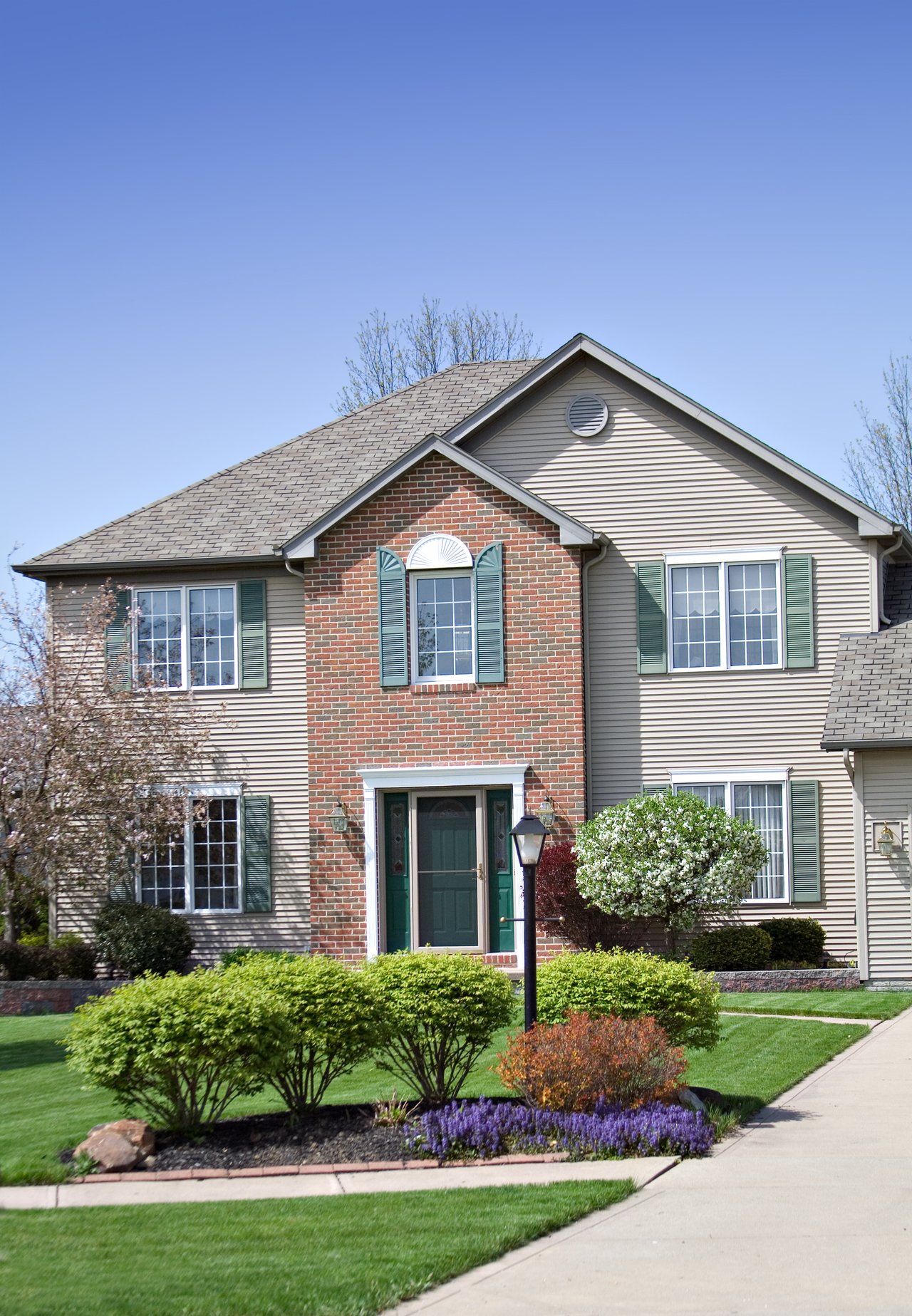
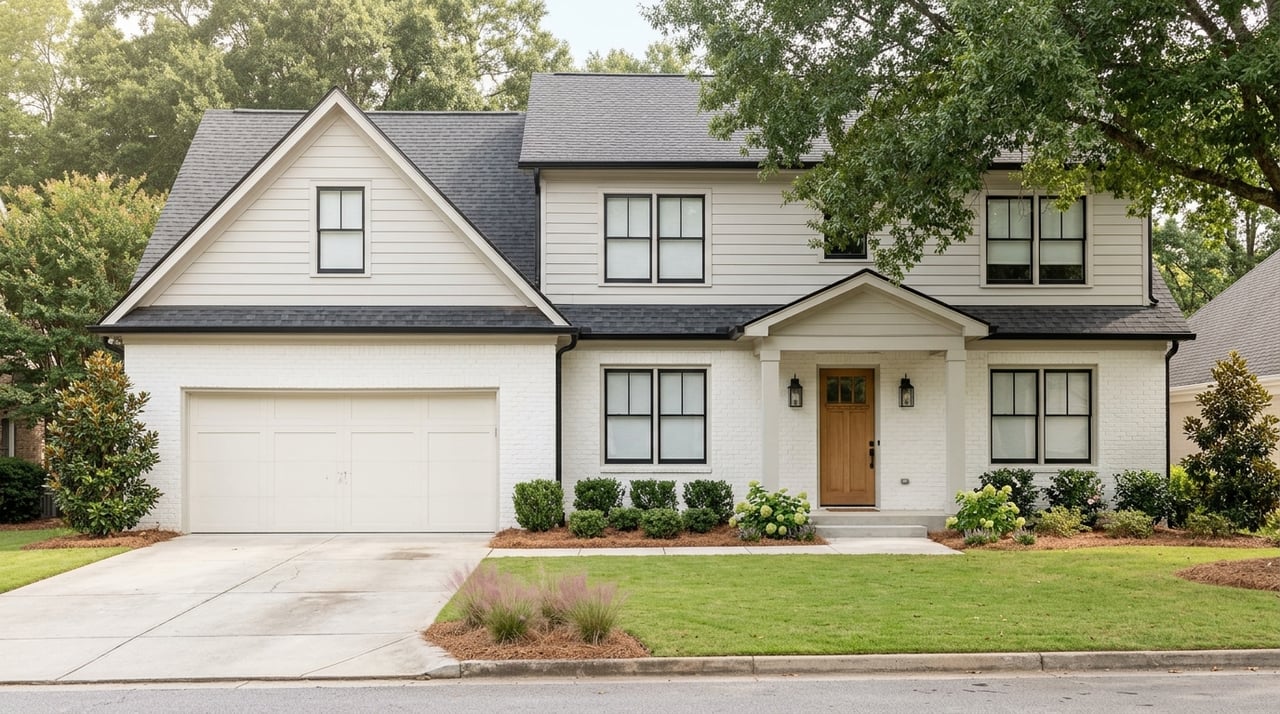
Irmo’s housing stock is dominated by detached single-family homes. According to the town plan, 90.4% of homes are detached single-family, 8.5% are attached, and 1.1% are mobile homes. That gives many parts of Irmo an established, subdivision-heavy feel rather than an urban or mixed-use feel.
The owner-occupied housing rate is also high at 81.6%. That often appeals to buyers looking for neighborhoods with a more settled residential pattern. It also helps explain why many buyers moving from Columbia focus on Irmo when they want a home that feels more traditionally suburban.
Another important point is age of inventory. The town plan describes Irmo’s housing stock as aging, so you should expect a lot of resale homes rather than a market centered only on new construction. That can create more variety in lot sizes, floor plans, and home condition, but it also means you should pay close attention to maintenance and updates when touring homes.
What Homes Cost in Irmo
Irmo generally sits in the mid- to upper-$200,000s, though exact numbers vary by source and time frame. Zillow reports an average home value of $286,812 and a median sale price of $285,283, with homes going pending in about 23 days. Redfin reports a recent median sale price of $252,000 over the prior three months ending May 2026.
Those numbers tell you two useful things. First, Irmo is active enough that well-priced homes can move fairly quickly. Second, you need to look at current listings and recent comparable sales closely, because broad market numbers can vary depending on the time period being measured.
How Irmo Compares to Nearby Suburbs
For many Columbia commuters, Irmo lands in a practical middle position. Nearby-value snapshots from Zillow show Columbia at $232,810, West Columbia at $232,905, Lexington at $307,952, Blythewood at $345,965, and Chapin at $448,393. In simple terms, Irmo is often more expensive than some core Columbia options but less expensive than several farther-out or lake-oriented suburban markets.
That makes Irmo worth considering if you want to stay closer to Columbia without moving into some of the highest-priced suburban areas nearby. It can be a good fit for buyers who want to balance commute time and home budget instead of maximizing just one or the other.
Daily Life in Irmo
A commuter-friendly town still has to work after office hours, and that is one of Irmo’s strengths. The town plan highlights Community Park, Town Park, Veterans Park, Mungo Park, Saluda Shoals Park, and Rawls Creek Park. It also notes that 53.4% of parcels in the study area are within a half-mile of an Irmo park.
That park access adds real value to everyday living. Whether you like walking, casual outdoor time, or just having open space nearby, Irmo offers more than a simple sleep-and-drive routine. For many buyers, that helps the town feel more livable during the workweek and on weekends.
Lake Murray Adds Lifestyle Value
Lake Murray is one of Irmo’s biggest lifestyle advantages. Lake Murray Public Park on the Irmo side includes a boat launch ramp, picnic facilities, fishing docks, restrooms, and a pedestrian walkway across Dreher Shoals Dam connecting the Irmo and Lexington sides. The park is open year-round.
If you want a commuter location that still gives you quick access to outdoor recreation, that matters. You may not be buying directly on the water, but you can still enjoy one of the Midlands’ major lifestyle anchors without a long drive.
Outdoor Access Beyond the Lake
Harbison State Forest is another major draw nearby. The South Carolina Forestry Commission says the forest covers 2,176 acres and includes more than 30 miles of roads and trails for hiking, jogging, biking, and educational programming. It is described as being only nine miles from the center of Columbia.
For buyers who spend weekdays commuting and weekends outside, that kind of access can be a real selling point. It gives you another reason to consider Irmo if you want suburban convenience without feeling cut off from outdoor space.
Schools and Services to Know
Irmo is served by Lexington-Richland School District Five. The district lists Irmo Elementary, Irmo Middle, Irmo High, Dutch Fork Elementary, Dutch Fork Middle, Dutch Fork High, and several nearby elementary schools. If school assignment matters to your move, it is smart to confirm the specific assignment tied to any home you are considering.
Shopping and services in Irmo are more corridor-based than centered around a traditional downtown. The town plan says Irmo has no defined downtown or walkable core, and local visitor information describes a broad shopping and dining presence across the area. In practical terms, you will likely find many daily needs along Harbison Boulevard and nearby commercial strips.
What Irmo Is Best For
Irmo tends to work best for buyers who want three things at once: a shorter drive to Columbia, mostly detached homes, and access to parks, retail corridors, and Lake Murray. It can be especially appealing if you want a suburban setup with established neighborhoods rather than a dense urban environment.
It may be a less natural fit if your top priority is a walkable town center or a brand-new master-planned feel. The town itself identifies roadway constraints and the lack of a defined downtown core. So the key is making sure your priorities match what Irmo actually offers.
A Smart Buyer Tip About Jurisdiction
One local detail can surprise buyers: Irmo sits on the boundary between Richland and Lexington counties. Richland County property-tax guidance even uses a specific taxing district example for School District Richland/Lexington 5 in the Town of Irmo. That means two homes with an Irmo address may not always fall under the same county setup.
Before you make assumptions, verify the parcel’s county, tax district, and school assignment. This is one of those small details that can affect your monthly costs and your planning, especially if you are comparing multiple homes across the area.
How to Shop Irmo as a Columbia Commuter
If Irmo is on your shortlist, keep your home search focused on how you will actually live. Think beyond the address and ask how the location connects to your work route, your daily errands, and the activities you care about most. A home that looks great online may feel very different once you test the drive and surrounding corridors.
Here are a few practical things to compare as you search:
- Drive time to your Columbia job during your likely commute hours
- Access to I-26 and Harbison-area retail and services
- Distance to parks, Lake Murray, or Harbison State Forest if outdoor access matters to you
- Age, condition, and update level of resale homes
- County, tax district, and school assignment for each property
Buying in Irmo can make a lot of sense if you want a commuter-friendly suburban option with established homes and strong everyday convenience. If you want help narrowing down the right part of Irmo for your budget, commute, and goals, connect with John Acosta for clear, practical guidance.
FAQs
What is the commute from Irmo to Columbia like?
- Irmo is about 11.6 miles from Columbia, and third-party route guidance estimates the drive at about 15 minutes, though traffic pressure points around I-26 and Harbison Boulevard can affect travel time.
What types of homes are most common in Irmo, South Carolina?
- Irmo’s housing stock is mostly detached single-family homes, which make up 90.4% of the town’s housing stock according to local planning materials.
What is the typical home price range in Irmo for buyers?
- Current market trackers place Irmo in the mid- to upper-$200,000s, with Zillow reporting an average home value of $286,812 and a median sale price of $285,283.
Is Irmo a good fit for Columbia-area buyers who want suburban living?
- Irmo can be a strong fit if you want a shorter Columbia commute, mostly detached homes, and access to parks, shopping corridors, and Lake Murray.
What should buyers verify before buying a home in Irmo?
- Buyers should verify the property’s county, tax district, and school assignment because Irmo spans Richland and Lexington counties.
Does Irmo have a walkable downtown area?
- No, the town plan states that Irmo does not have a defined downtown or walkable core, so most commuting and errands are car-oriented.